Blog
Integrative Oncology from Head to Toe – Colon Cancer

Introduction Colon cancer (often referred to as colorectal cancer when including rectal cancer) is one of the most commonly diagnosed cancers worldwide and a major contributor to cancer morbidity and mortality. In many countries, it ranks among the top three most frequently diagnosed cancers and is a leading cause of cancer-related death. With ongoing increases... Read More
Integrative Oncology From Head to Toe – Breast Cancer
Introduction Breast cancer is the most commonly diagnosed cancer in women worldwide and remains a leading cause of cancer-related morbidity and mortality. In 2020, an estimated 2.26 million new cases were diagnosed globally, accounting for a significant portion of the overall cancer burden in women. In many high-income countries, breast cancer represents nearly one-third of... Read More
Integrative Oncology From Head to Toe – Brain Cancer
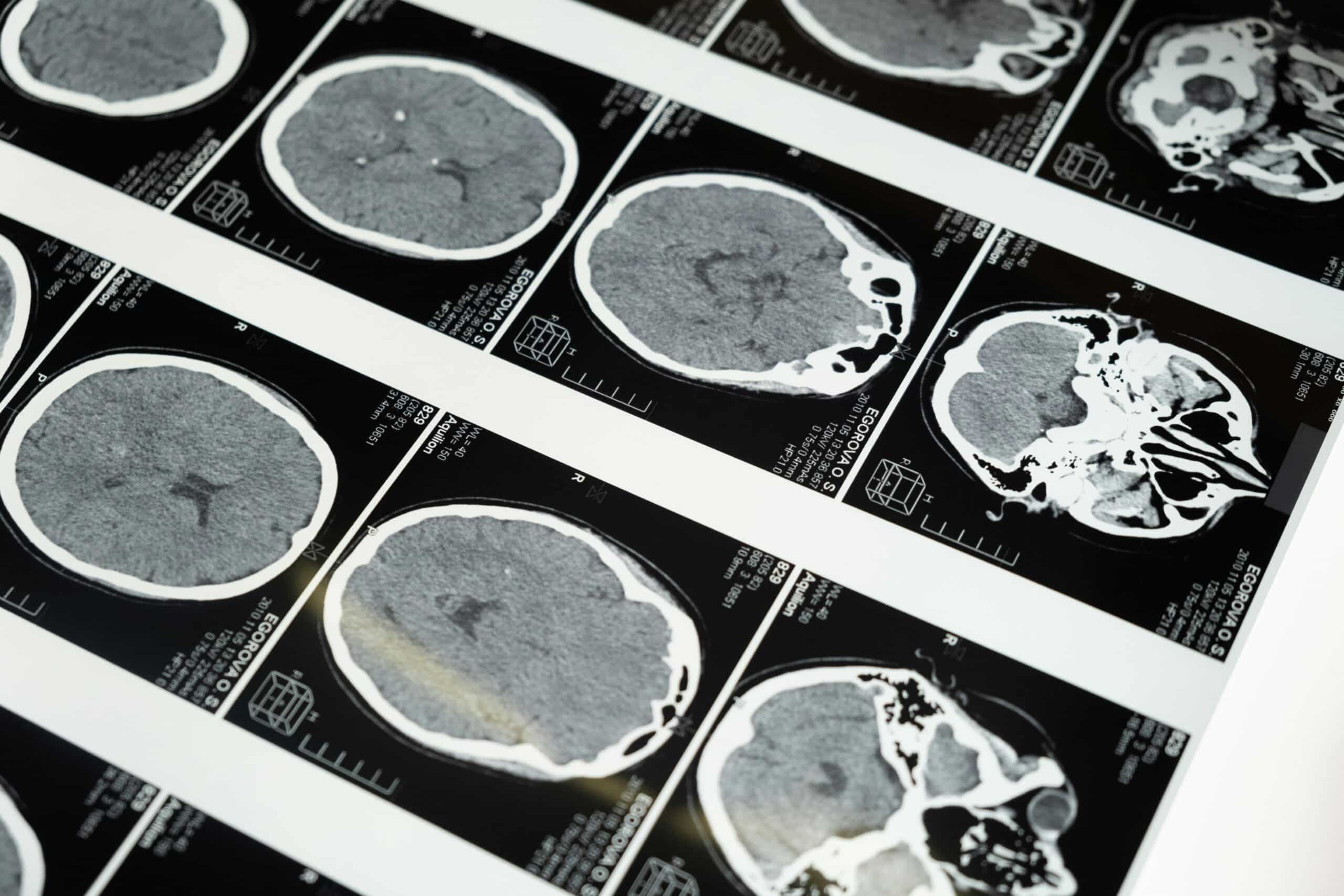
Introduction Primary brain tumours are a rare but impactful group of cancers that arise from the tissues of the brain and central nervous system. In North America, brain and other central nervous system tumours occur in about 6–7 people per 100,000 each year. While primary brain tumours account for a small percentage of all cancers, they... Read More
Mistletoe and Immunotherapy Combination Results in Better Response Rates

Mistletoe and Immunotherapy: How They Work Together to Improve Cancer Survival Introduction Cancer immunotherapy has changed the way doctors treat cancer, helping the body’s immune system recognize and attack tumours. However, not all patients respond, and side effects can be difficult to manage. This has led researchers to explore natural therapies that can strengthen the... Read More
Vaginal Estrogen is Safe in Breast Cancer Survivors

The Dilemma: Living Beyond Breast Cancer but Facing New Struggles For breast cancer survivors, completing treatment often brings a sense of relief, but it can also leave behind challenges that few people talk about. One of the most difficult and least discussed is Genitourinary Syndrome of Menopause (GSM). GSM refers to a group of symptoms... Read More
Vitamin D and Immunotherapy: Enhanced Clinical Outcomes

Introduction Over the past decade, immunotherapy has emerged as one of the most promising strategies in oncology, offering durable responses in certain cancers where traditional therapies often fail. Yet, not all patients benefit, and treatment resistance or toxicity can limit the success of this approach. This has led researchers to explore supportive interventions that could... Read More
Intravenous Vitamin C Improves Overall Survival

INTRODUCTION Vitamin C has been celebrated as one of the most essential nutrients for human health, known primarily for its immune-boosting effects and its role in preventing scurvy. It has also been widely marketed as a natural defence against colds and infections. However, in recent years, scientists and clinicians have revisited a more ambitious question:... Read More
Review of the Role of the Ketogenic Diet for Cancer
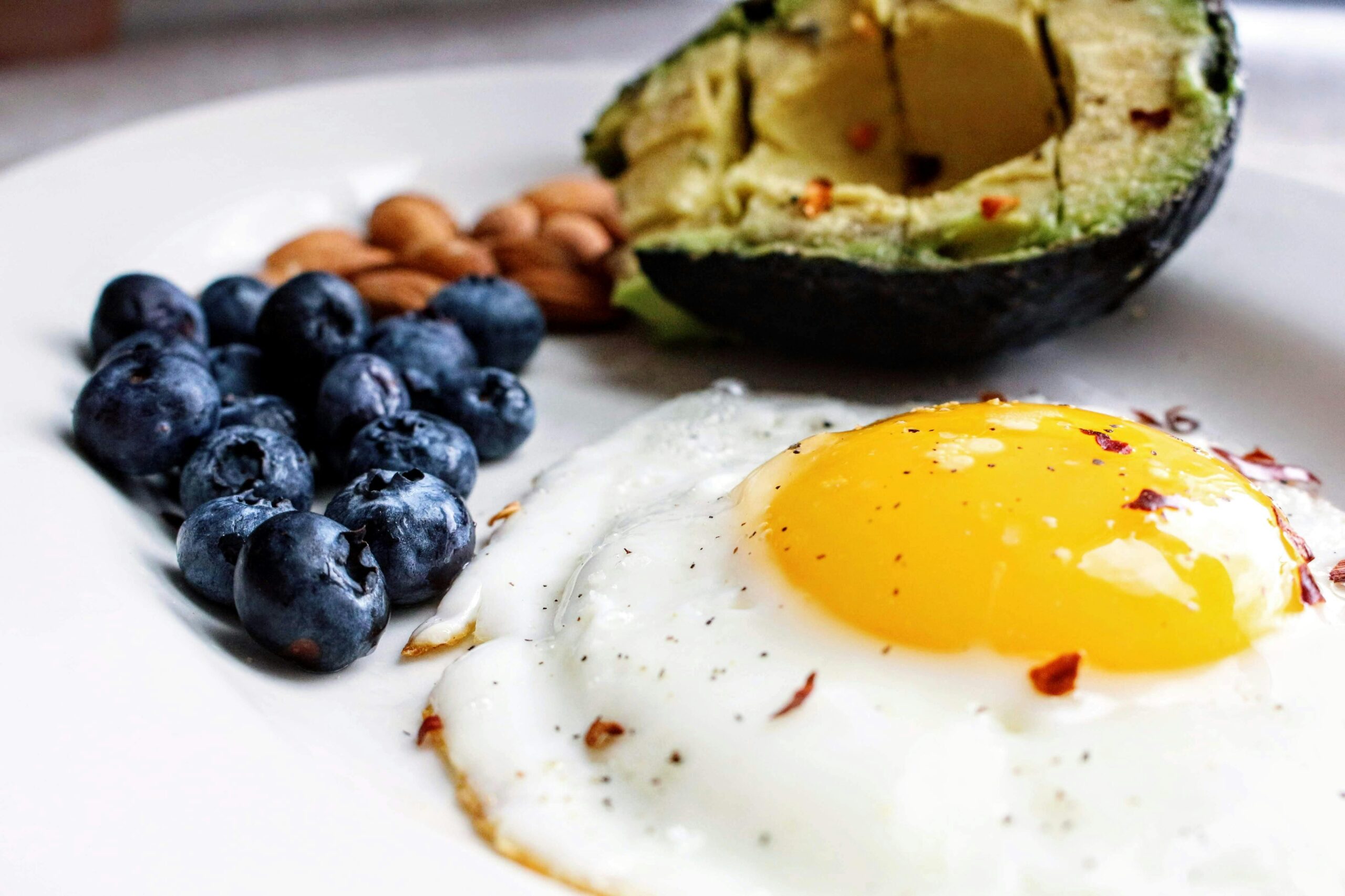
In my practice, discussions pertaining to nutritional advice and dietary support (aka what should I be eating?), are the most common conversations I have with patients. I often get asked about special ways of eating, also termed “fad diets”, which describes a prescribed way of eating with often various restrictions, with promises to combat and... Read More
Life After Cancer Series – Part Two – Cardiovascular Disease

It is estimated that there are about 17 million cancer survivors currently living in the US. The population of people who are cancer survivors continues to increase, due to the advancing age of the population as well as the improved response rates to chemotherapy and immunotherapy. However, even with the success of cancer treatment, cancer... Read More
Life After Cancer Series – Part One – Bone Health

As of 2019, there are about 16 million cancer survivors in the US and about 32 million globally. Women with early-stage breast cancers and men with non-metastatic prostate cancers represent the two largest groups of survivors (40% of all cancer survivors). With an increasing number of cancer survivors, so also increases the health-related complications these... Read More